
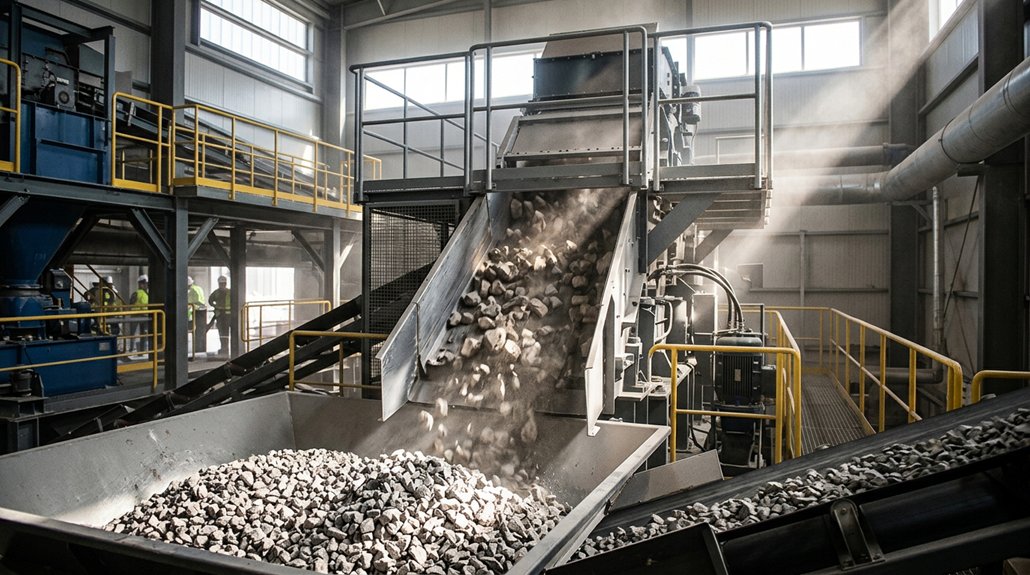
How VSI Crushers Use Impact to Shape Rock
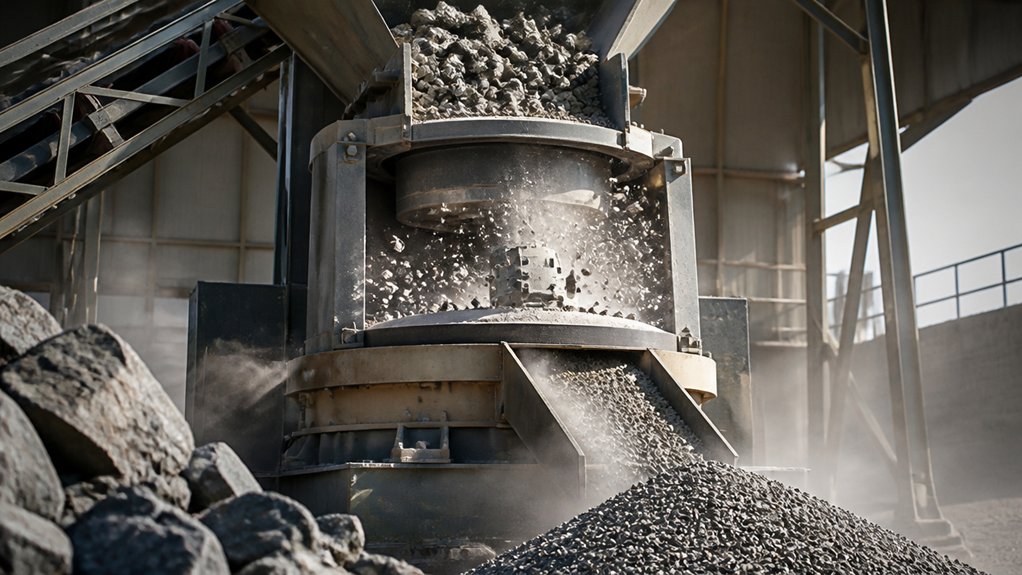
A VSI crusher shapes rock by impact, not compression. The rotor accelerates feed and throws it against a rock bed or impact surfaces in the crushing chamber. The resulting collisions break the material and reduce particle size.
Feed rate and operating conditions affect how steadily the crusher runs and the product it makes. Material may break against other particles or wear surfaces as it moves through the chamber. This action can improve particle shape and produce a controlled gradation, but results depend on the feed and how the crusher is set up.
Watch the discharge for changes in gradation, particle shape, or excess fines. Use those observations to guide adjustments and keep the circuit aligned with product specifications and downstream needs.
How VSI Rotor Designs Compare
VSI rotor designs affect how material enters, accelerates, and exits the rotor, influencing capacity, wear, and product shape. Open rotors generally accept larger feed and are less prone to plugging. Enclosed rotors contain material more consistently and may suit higher operating speeds. The right choice depends on the feed and the way the plant runs.
Compare port count, tip geometry, and internal flow paths. These features affect how evenly the rotor distributes feed and transfers energy. Check rotor materials and wear components against the feed’s abrasiveness and impact load. Excessive or uneven wear can affect rotor balance and product output, so inspect wear condition and follow the manufacturer’s service limits.
Before inspecting or servicing a rotor, isolate and lock out the equipment, verify it can’t start, and follow site safety procedures.
Match the rotor design to the feed size and type, required capacity, and maintenance plan.
How VSI Crushers Serve Concrete and Asphalt
When processing reclaimed concrete and asphalt, a VSI crusher can produce cubical aggregate for reuse in base, subbase, and other applications. Keep the feed rate steady, then adjust rotor speed to influence particle shape and gradation.
Impact action may break down weak or flaky pieces, but it won’t correct every issue with mixed or contaminated feed. Screen the product and return oversize material for another pass when the circuit and material allow.
Remove steel, wood, and other contaminants before they reach the crusher. Check the finished aggregate against the requirements for its intended use; feed composition affects particle shape and durability.
During inspections or maintenance, follow site lockout procedures and the equipment manufacturer’s instructions. Check wear parts, clear buildup, and verify operating settings only after the machine is safely isolated.
How to Decide If a VSI Fits Your Operation
To decide whether a VSI fits your operation, weigh its particle-shaping benefits against your feed, production targets, and product specifications. Improved cubicality, controlled fines, or manufactured sand may justify the extra crushing stage—but only if the finished product has enough value to cover the added operating and maintenance costs.
Check the feed size, hardness, abrasiveness, moisture, and contamination against the crusher’s design and wear-package limits. Then assess capacity at the gradation you need, allowing for recirculating material and the load on downstream screens. Use realistic operating conditions; a capacity estimate based on a different feed or product target can be misleading.
Include rotor inspections and wear-part changes in your maintenance plan, and confirm that crews can access service points safely. Before any inspection or maintenance, isolate and lock out the equipment, verify it’s de-energized, and follow the site’s safety procedures.
Finally, check power demand, operating costs, and how the VSI will connect to the existing circuit. A VSI is a practical fit when the value of the improved product outweighs the added costs, maintenance, and process constraints.
Conclusion
A VSI crusher shapes aggregate through high-speed impact, helping produce the cubical particles often needed for concrete and asphalt. Results depend on the feed gradation, moisture, rotor configuration, and operating settings, so check these against your product targets before making changes. Monitor product shape, throughput, wear, and energy use together; improving one can affect the others. Because aggregate makes up most of an asphalt mix by volume, consistent particle shape and gradation matter. Confirm that your plant can handle the VSI’s feed requirements and maintenance needs, and follow lockout procedures before inspecting or servicing the crusher.