Inclined vs. Horizontal Screens: Key Differences

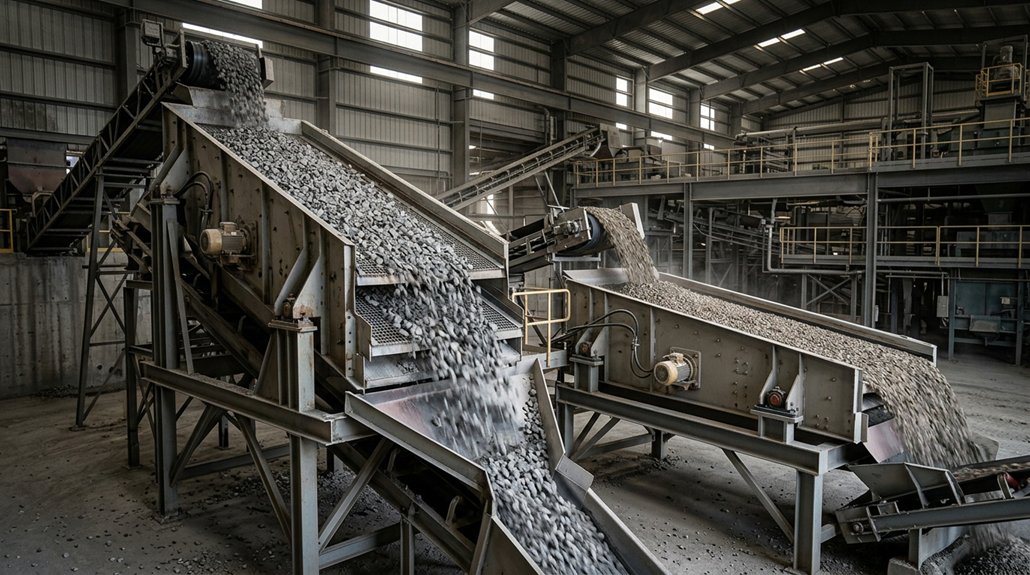
Inclined and horizontal screens differ in deck angle, material travel, and installation footprint. On an inclined screen, gravity helps move feed down the angled decks while vibration stratifies the material and carries oversize toward the discharge. A horizontal screen depends more on its motion pattern to move and separate material across level decks, and it may use a different drive arrangement.
Choose based on the feed, required separation, available space, and how the screen fits into the plant—not on deck angle alone.
Those differences shape daily checks. Inspect deck tension, bearings, and drive components as part of routine screen maintenance. Abrasive feed wears panels and liners; heavy impact can damage decks. Track wear patterns and separation quality so you can address changes before they affect production.
Before inspecting or servicing a screen, shut it down, isolate and lock out all energy sources, and verify that stored energy has been released. Never work on or near moving equipment.
Match Screen Type to Feed, Capacity, and Space
Match the screen to the feed’s particle size, moisture, abrasiveness, and required cut. Then check that it can handle your target throughput while maintaining the separation you need. Deck area, screen motion, and media all affect performance, but so do feed distribution, bed depth, and discharge layout.
Don’t rely on a nominal capacity rating alone; confirm how the screen is likely to perform with your material and operating conditions.
Measure the available footprint and allow room for access, screen-media changes, inspections, and service. A compact horizontal unit may suit a site with limited headroom, while an inclined screen may better fit another plant layout.
Check drive access, wear-part replacement, and maintenance needs before choosing equipment. Before any inspection or maintenance, isolate and lock out the equipment, and follow site safety procedures.
When Should You Choose an Inclined Screen?
An inclined screen is a practical choice when you need reliable separation and steady production with free-flowing material. The sloped deck uses gravity to move material across the screen media, helping stratify the feed and separate it by size. It’s commonly used for aggregates, crushed stone, and similar bulk solids where a straightforward design suits the plant’s operating needs.
Before choosing one, check how the feed will behave at the screen. Wet, sticky, or poorly graded material may not stratify as well and can cause blinding, so confirm that the screen media and operating setup suit the feed and cut size.
Also consider impact and abrasion at the feed zone, and make sure the drive and deck capacity match the required throughput.
Review access for screen media changes, bearing service, and routine inspections before installation. Follow the equipment manufacturer’s lockout and isolation procedures, and verify the screen is fully stopped and secured before anyone works on it.
When Should You Choose a Horizontal Screen?
When to choose a horizontal screen
Choose a horizontal screen when you need accurate sizing in a compact footprint. Its low-profile deck can suit plants with limited headroom or tight layouts. Adjustable stroke and speed let you tune material movement and separation to match the feed and the cut you need.
This design can be a good fit when consistent sizing, high capacity, or the handling of difficult-to-screen material is a priority. Start with the feed: check its gradation, moisture, and tendency to blind or carry over. Use those conditions, along with required throughput, to determine deck area and screen media.
Don’t assume a screen will meet the target if the feed rate or material properties change.
Plan dust control at transfer points, and make sure operators can reach the areas that need routine service, including exciters, bearings, and screen panels. Before any inspection or maintenance, isolate and lock out the equipment, verify it’s de-energized, and follow site procedures. Proper setup and safe access help protect uptime and product quality.
Conclusion
Choose a screen based on your feed, target capacity, and available plant footprint—not just the type you know best. Inclined screens use gravity to move material across the deck, while horizontal screens provide a lower profile and more controlled material travel. The right choice depends on how your feed behaves and what your process needs.
Screen angle affects material travel time and screening opportunity. Even a small adjustment can change how material moves across the deck, so confirm any change against your operating conditions and supplier guidance. Match the screen to the job, then check its performance in the plant. A good fit helps maintain throughput, product quality, and uptime.