

Set Quarry Operator Training Goals
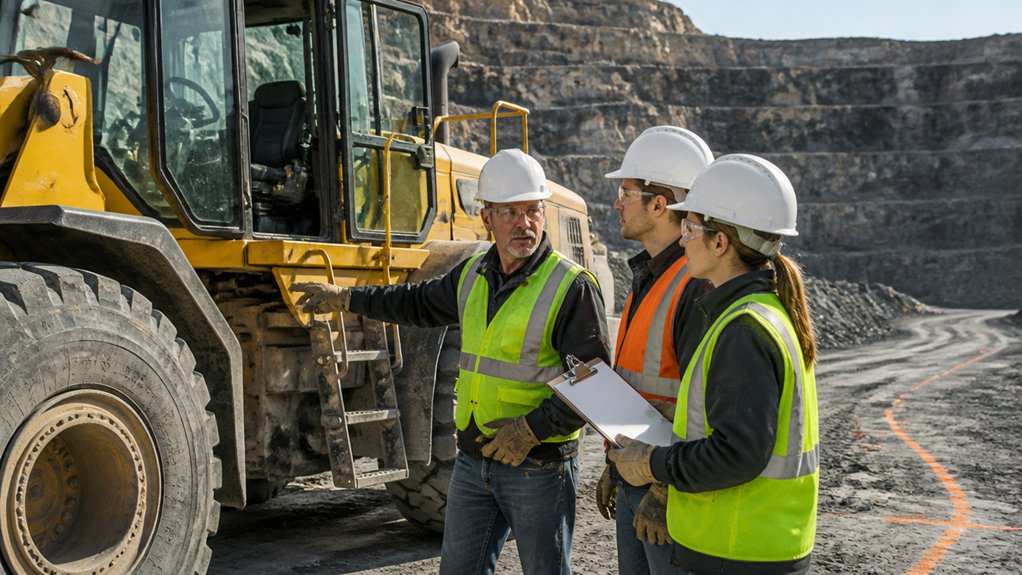
Before training starts, set measurable goals for each quarry plant operator role. Spell out what competent work looks like for start-up checks, process monitoring, material quality control, and shift records. Tie each goal to site procedures, product requirements, regulatory duties, and recent incident trends.
Record each operator’s starting skill level and training needs. Set assessment criteria, completion dates, and refresher intervals. Include practical environmental duties—controlling dust and noise, managing water use, and preventing spills—and define how operators should report community concerns and communicate respectfully.
Review progress with supervisors and verify competence through documented assessments, not attendance alone. If an assessment involves inspecting or maintaining equipment, follow site isolation procedures and confirm the equipment is safe to approach before work begins.
Update training goals when equipment, processes, site procedures, or regulatory requirements change.
Teach Safe Quarry Equipment Operation
Train operators to follow site safety procedures from the first walkaround to final shutdown. Cover pre-start inspections, equipment isolation, and safe shutdown steps.
Include supervised practice with plant controls and attachments, and make sure operators understand the equipment’s operating limits.
Teach them to spot unstable ground, moving vehicles, and other changing hazards—and to stop work and follow site protocols when conditions aren’t safe.
Safety reminder: Inspect equipment only as trained and authorized. Isolate it and verify it can’t start or move before maintenance or inspection work begins.
Equipment Safety Procedures
How to prevent equipment-related incidents
Before starting, moving, or servicing plant, follow the site’s procedures and make sure you’re authorized for the task. Check guards, brakes, warning devices, tires, and hydraulic lines before use. Report defects promptly, and take unsafe equipment out of service until it’s been assessed.
Safety reminder: Inspect only from a safe position; never reach into or work on moving equipment.
Wear task-appropriate personal protective equipment, including high-visibility clothing, safety footwear, eye protection, and hearing protection.
Keep clear of reversing areas, suspended loads, conveyors, and rotating components. Use designated access routes, maintain radio contact, and never bypass an interlock.
Before maintenance, isolate the equipment, apply lockout/tagout, and verify that all energy sources are at zero.
Safety reminder: Only authorized personnel should perform maintenance, and no one should restart equipment until the isolation has been cleared through the site procedure.
Know the site response procedures for fire, rollover, entrapment, and spills. Stop work, raise the alarm, and follow instructions from the site response team.
Operator Skills Training
Equipment checks and isolation procedures set the safety baseline. Operator training builds the skills needed to control quarry equipment safely under real working conditions.
Learn to start, operate, and shut down crushers, screens, conveyors, and loaders in line with site procedures and equipment limits. Practice smooth control inputs, safe travel speeds, and sound loading techniques under competent supervision. Clear communication helps operators coordinate equipment movements, shift handovers, and routine production work.
Operating choices affect wear, maintenance needs, and equipment reliability. Before work begins, check the equipment as required by site procedures.
For any inspection or maintenance, isolate the equipment, verify it’s safe to approach, and follow site lockout procedures. Complete a practical assessment before working independently, and refresh training when equipment, procedures, or site conditions change.
Hazard Recognition and Response
When operating quarry equipment, identify hazards early and follow site procedures. Before startup, inspect guards, brakes, alarms, tires, and hydraulic lines. Don’t operate equipment with a defect that could affect safe operation. Report it, isolate the machine, and follow your site’s lockout procedures.
Safety reminder: Never inspect or work on equipment unless it’s in a safe condition and properly isolated.
Watch for unstable faces, falling rock, dust, reversing vehicles, conveyor nip points, and anyone entering an exclusion zone. Follow posted signs and speed limits, and keep clear communication with spotters.
If conditions change, stop work, lower attachments if it’s safe to do so, secure the machine, and notify your supervisor.
Know the site’s emergency procedures for fires, entrapment, spills, and medical incidents. Use the designated alarms, evacuation routes, and muster points.
Don’t restart equipment until an authorized person confirms that hazards are controlled and the machine is safe to operate.
Teach Operators to Spot Quarry Hazards
Learn to recognize ground hazards before they put people or equipment at risk. Check for unstable edges, soft or waterlogged ground, and haul roads that have changed because of traffic, weather, or material buildup.
Keep clear of moving equipment and stay out of vehicle travel paths; make eye contact with the operator and follow site traffic rules before approaching.
Watch for falling material around faces, stockpiles, and conveyors.
If ground or operating conditions change, stop, move to a safe area, and report the hazard before work continues.
Recognize Ground Hazards
Ground hazards
Ground conditions can change quickly enough to put a machine or worker at risk. Before operating near quarry faces, stockpiles, haul roads, or tipping points, check whether the ground can support the equipment and the work planned.
Look for cracks, slumping, loose rock, water seepage, and fresh erosion. These can signal a failing slope or an unstable edge. Check site plans and current ground assessments for underground hazards such as voids, buried services, and abandoned workings. Plans may not show every change, so report anything that doesn’t match the conditions on the ground.
Keep equipment and people back from unsupported edges and areas with uncertain bearing capacity. Follow site exclusion zones, report changes promptly, and don’t proceed until a competent person confirms the area is safe.
Safety reminder: Never approach or inspect an unstable edge on foot; keep clear and follow the site’s reporting and exclusion procedures.
Identify Moving Equipment
After checking ground conditions, identify all moving equipment before entering or working near an operating area. Look for haul trucks, loaders, excavators, conveyors, and mobile crushers. Note their travel routes, blind spots, reversing areas, and swing zones, and stay outside marked exclusion zones. Never assume an operator has seen you.
Use designated walkways and crossing points. Before approaching machinery, make eye contact with the operator and follow the site’s signaling procedures. If you can’t confirm the operator has acknowledged you, don’t approach.
Maintain radio contact and use clear, agreed-upon calls to coordinate movements and report changing conditions.
Check that alarms, lights, cameras, and brakes are working as required by site procedures, and report defects promptly.
Safety reminder: Keep clear of moving equipment during checks, follow isolation procedures where required, and never inspect or repair machinery while it’s moving. Stop work if equipment movement creates an unsafe situation.
Spot Falling Material
Falling material can come from quarry faces, stockpiles, crusher feed points, conveyor transfers, and suspended loads. During a hazard check, look above and around your work area for loose rock, overhangs, cracks, unstable piles, damaged chute liners, or material caught on belt structures. These conditions can change as equipment runs, so stay alert throughout the shift.
Keep out of drop zones. Never stand under a loaded bucket or chute, and don’t approach a suspect face or the toe of an unstable stockpile. Report hazards promptly and follow site exclusion zones and isolation procedures.
Before inspecting or working near equipment, make sure it’s safely isolated and follow site procedures.
If material starts moving, retreat to a safe location. Don’t try to dislodge it. Resume work only after an authorized person has assessed the area and confirmed it’s safe.
Prepare Operators for Changing Site Conditions
Weather, geology and production demands change. Operators must reassess hazards and adjust equipment settings, traffic routes and work methods before those changes make the job unsafe.
Train crews to monitor heavy rain, frost, heat and high winds. These conditions can reduce visibility and traction, destabilize stockpiles and push equipment beyond safe operating limits. Explain what to watch for and who to notify when conditions change.
Changes at the working face, loose ground, water ingress and altered feed material can affect crusher performance and haul-road safety. Make sure operators understand how these conditions can disrupt the plant and when to pause and reassess rather than trying to maintain production at any cost.
Require operators to communicate with a supervisor before changing the operating plan or isolating equipment. Include runoff and dust in decisions, and stop work when available controls can’t keep conditions safe.
Before inspecting or maintaining equipment, follow the site isolation procedure and verify that hazardous energy has been controlled.
Assess Operators’ Skills on Site
Assess operators’ skills on site by observing them perform routine tasks under normal operating conditions. Check how they operate mobile plant, crushers, screens, and conveyors, including pre-start inspections, isolation, and shutdowns.
When discussing inspections or maintenance, reinforce the site’s safety procedures: stop equipment as required, isolate it, and verify it’s safe before anyone approaches or works on it.
Confirm that operators follow the site traffic plan, maintain exclusion zones, and respond correctly to alarms and changing hazards.
Listen to radio calls to assess whether communication is clear and uses agreed phrases.
Watch how crews coordinate during loading, tipping, and maintenance handovers.
Operators should repeat back critical instructions and confirm any uncertainty before acting.
Record specific observations against the relevant competency criteria.
Correct unsafe actions immediately, then use practical demonstrations and focused questions to check that operators understand the critical controls—not just the sequence of steps.
Keep Quarry Operator Skills Up to Date
Keep quarry operator skills current
Schedule refresher training whenever procedures, equipment, or site conditions change. After an incident or near miss, an equipment upgrade, or a change to traffic routes or exclusion zones, check whether operators understand the new risks and controls.
Use practical assessments to reinforce lockout procedures, conveyor guarding, separation between mobile equipment and people, and emergency response. Simulators and short digital modules can help operators rehearse hazards without interrupting production, but they should support—not replace—hands-on practice.
Before authorizing independent work, confirm that each operator can demonstrate safe startup and shutdown, recognize and report defects, and follow site-specific procedures.
During inspections or maintenance, isolate equipment and verify that it can’t start unexpectedly before anyone enters a danger zone.
Keep qualification records and refresher dates current to support regulatory compliance. Address skill gaps promptly with coaching, supervised practice, and a documented reassessment.
Conclusion
Build a quarry team that works from clear procedures, not guesswork. Set practical training goals for each role, covering equipment controls, operating limits, site traffic, and emergency response. Teach operators to recognize changing ground, dust, noise, and other hazards before they affect visibility or safe machine movement.
Test skills on site using the tasks operators perform every shift. Watch how they start, run, and shut down equipment, and correct unsafe habits before they become routine. Refresh training when equipment, procedures, or site conditions change. Competent operators make better decisions and help keep the entire operation under control, one shift at a time.