

Define Your Project Requirements
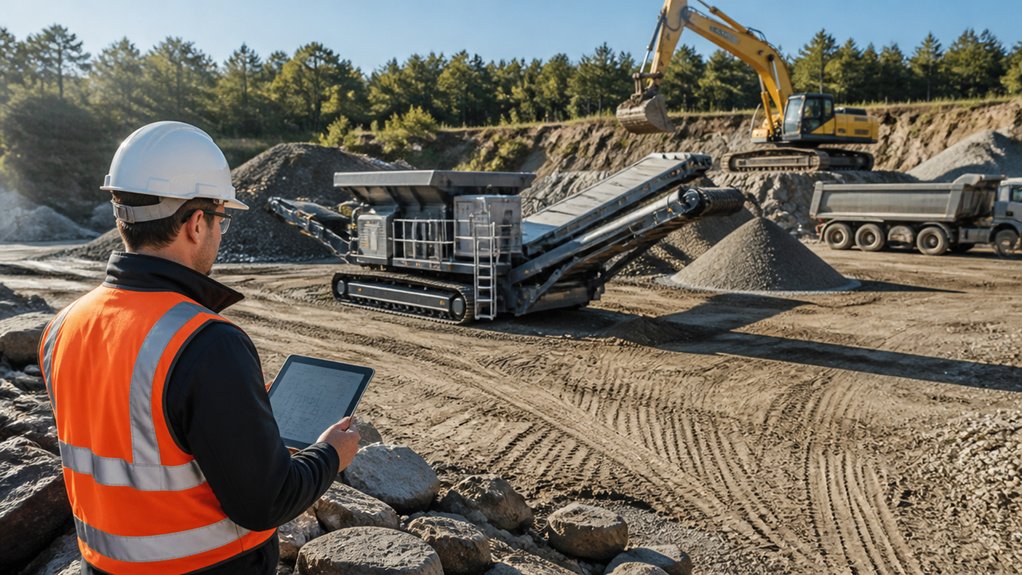
Before hiring mobile crushers, be clear about what the job needs to produce and how the site will support the work. Define the material, target product size, required tonnage, and project schedule. Check the feed size, hardness, moisture, and any contaminants. Oversize rock, wet or sticky material, and tramp metal can reduce throughput or create safety risks.
Estimate the tonnage you need to process and agree on how the finished product will be checked against the required grading or size.
Walk the site before delivery: confirm access routes, turning room, working space, ground conditions, and safe exclusion zones around the equipment.
Check permit requirements, noise limits, dust controls, and runoff rules before work starts. Coordinate delivery, setup, operating hours, and removal with other contractors so equipment and crews aren’t competing for access.
Give your rental provider these details early; it helps them plan the right setup, labor, utilities, and contingencies.
Choose the Right Mobile Crusher
Once you’ve defined the material, target output, and site constraints, match the crusher to the work. A jaw crusher is typically the first choice for primary reduction of hard, abrasive rock. An impact crusher can suit softer, less abrasive material or jobs where a more cubical product is needed. For controlled secondary or tertiary sizing, consider a cone crusher.
Check that the feed opening can accept the largest material you expect to process, and that the machine’s capacity and discharge settings fit your target product and downstream equipment. Confirm the crusher can reach the work area and move safely along your access routes. A machine that fits the process but can’t get to the face is no use.
Before production, make sure operators understand the site’s safety procedures, including isolation, guarding, and exclusion zones. Review the maintenance requirements and confirm your crew can carry out routine inspections without creating unnecessary downtime.
Before any inspection or maintenance, stop and isolate the equipment, verify it’s safe to work on, and follow the site’s lockout procedures. Finally, check that the crusher fits the full workflow, from feed and product handling to transport and relocation.
Compare Hire Costs and Terms
Compare hire quotes on the same basis. Check whether the rate is daily or weekly, the minimum hire period, and what’s included for delivery, collection, fuel, operator costs, cleaning, and damage. The headline rate rarely shows the full cost of running a crusher on site.
Read the hire agreement before the machine arrives. Confirm what maintenance is included, how breakdowns are handled, who’s responsible for insurance, and where liability sits.
Check who’s authorized to operate the crusher and whether the supplier requires specific training or certification.
Ask how charges change if the job runs late, and whether you can extend the hire or return the machine early.
Put all agreed terms in writing, including who’s responsible for pre-start checks, safety inspections, and reporting defects.
Before operation, inspect the machine and document its condition with the supplier.
Follow site procedures and the supplier’s instructions; keep clear of moving parts and isolate the equipment before any inspection or maintenance.
Arrange Delivery and Site Preparation
Arrange delivery around site access, ground conditions, and the planned work sequence. Confirm the crusher’s dimensions, operating weight, and transport requirements with the rental provider. Check route restrictions, overhead clearances, turning space, and the unloading method before the truck leaves. Coordinate with site staff so delivery vehicles can get in and out without blocking haul roads or interfering with other work.
Before delivery, prepare a firm, level setup area with adequate drainage and room for the crusher, support vehicles, and any required equipment. Remove obstructions and mark exclusion zones. Confirm that the ground can support the machine and delivery equipment; ask a qualified person to assess uncertain ground conditions rather than relying on appearance alone.
Review access controls, emergency routes, and nearby utilities with the crew. These checks help prevent delays and reduce risk during unloading and setup.
Operate the Crusher Safely
Before starting the crusher, review the manufacturer’s instructions and the site’s risk controls with the crew. Confirm that operators are trained to use the controls and emergency stops, recognize blockages, and follow the correct shutdown procedure.
Set exclusion zones, secure all guards, and keep people clear of the feed area and conveyors. Agree on signals with the banksman and maintain radio contact. Feed material evenly and stay within the machine’s rated capacity. Never reach into a running crusher or try to clear a blockage while the machine is operating.
Before each shift, inspect the crusher, tracks, guards, and hydraulic lines for damage, leaks, or other defects. Safety reminder: stop the machine and isolate it before inspection; don’t operate with defects.
For jam clearing or maintenance, shut down, isolate, and lock out all power sources, then verify the machine can’t start before work begins.
Monitor dust, noise, and ground stability throughout the shift. Stop work and reassess if conditions change or controls are no longer effective.
Conclusion
Short-term mobile crusher hire works best when you plan the job before the machine arrives. Set a clear production target, identify the feed material and expected product size, then choose a crusher suited to those conditions. Compare hire terms, including transport, setup, support and return arrangements.
Prepare suitable site access, a firm and level setup area, and the required utilities. Before starting, confirm the machine is positioned correctly and that operators understand the controls and site procedures. Keep people clear of moving equipment, maintain exclusion zones, and use the required PPE. Follow the manufacturer’s operating instructions, and stop the machine before carrying out any inspection or maintenance. A practical plan helps you use the crusher safely and keep the project moving.