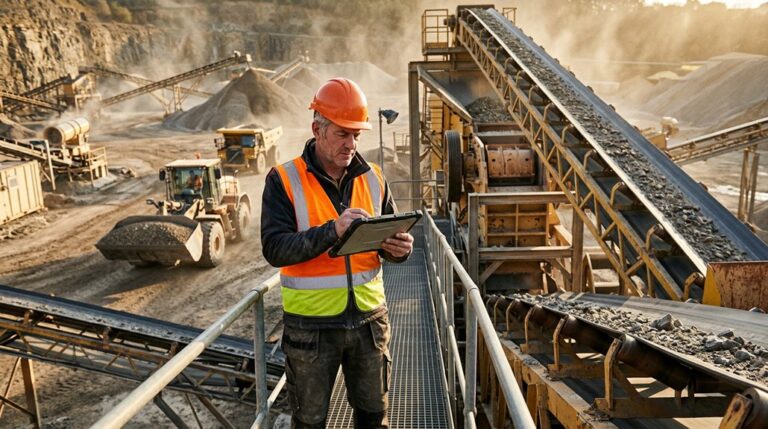

A freight train puts repeated, heavy loads on the track, so railway ballast must resist crushing, hold its shape and drain water effectively. In my 25 years working with crushing and screening plants, I’ve seen how stone quality and process control determine whether ballast performs reliably. Start with durable, angular rock, then crush and screen it to the required grading. Remove excess fines, which can restrict drainage and reduce stability. Check the material at each stage, and handle it safely to protect workers and equipment. The first key decision comes at the quarry: choosing the right rock for the job.
Choose Stone for Railway Ballast
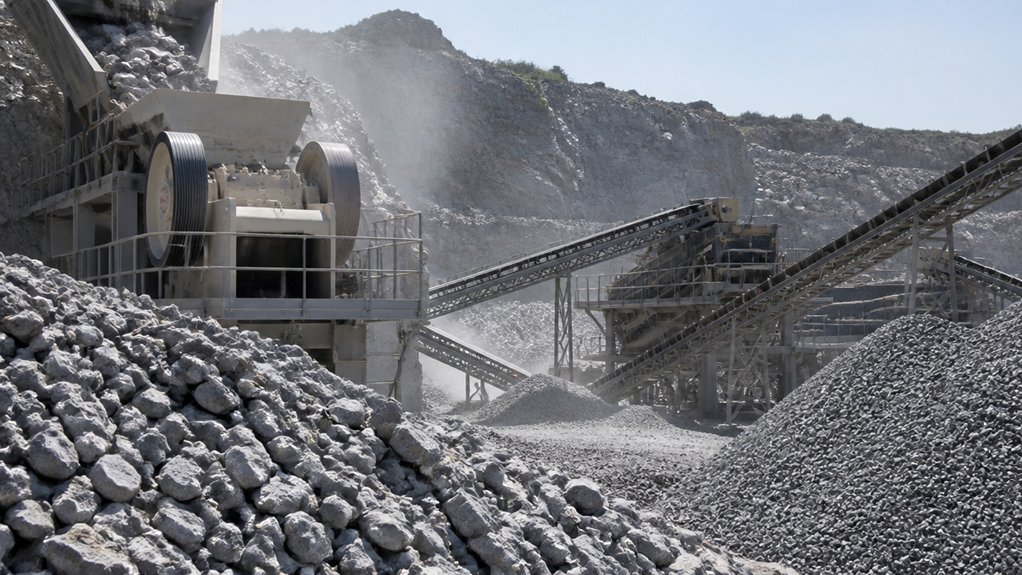
Choosing stone for railway ballast starts with the loads and site conditions the track must handle. Check axle loads, train speeds, drainage requirements, and local climate before approving a source. These factors affect how quickly ballast wears, breaks down, or loses its ability to support the track.
Look for hard, durable rock with low porosity and good resistance to abrasion, impact, and weathering. The deposit should produce angular particles that interlock and help hold track alignment under repeated loading. Rounded or weak particles are more likely to move or break down in service.
Review test results for strength, soundness, and harmful mineral content. Reject material that’s prone to degradation or could restrict drainage. Confirm that the quarry and processing plant can consistently produce the required particle shape and grading, and check finished material against applicable standards and project requirements.
Consider the full supply route as well as the rock itself. Quarry location, transport distance, habitat disturbance, and long-term resource availability all affect the project’s environmental impact and reliability of supply.
Before production or delivery, verify that the selected stone meets the specification and that the operation can maintain consistent quality.
Prepare and Feed Quarry Rock
Once the quarry rock meets the project specification, prepare it for controlled processing. Remove soil, vegetation, and other unsuitable material before loading. These contaminants can reduce track stability and increase the risk of environmental problems around the ballast.
Check the feed for oversized pieces, weathered rock, and visible contamination. Separate rejected material and handle it appropriately. Keep stockpiles on firm, well-drained ground to reduce mud pickup and runoff.
Use a loader or excavator to feed the plant steadily, without exceeding the receiving system’s capacity. Keep people clear of moving equipment, maintain exclusion zones, and control dust.
Monitor feed consistency and address interruptions promptly to keep the plant operating safely and reliably. Before inspecting equipment or clearing a blockage, follow site lockout procedures and verify that all moving parts have stopped.
Choose Crushers to Produce Ballast Sizes
Match the crusher circuit to the rock’s hardness, the ballast size range you need, and the plant’s target production rate. A jaw crusher is generally used for primary reduction. Choose a cone or impact crusher for the next stage based on the rock’s properties and the shape and gradation the job requires.
Control feed rate and crusher settings to meet the product target without making excessive fines or overloading downstream equipment. Monitor throughput, power draw, and wear; changes in any of these can signal a developing problem or a mismatch between the feed and the circuit.
Plan maintenance around operating conditions and inspect wear parts regularly. Before any inspection or maintenance, shut down, isolate, and lock out the equipment. Never reach into a crusher or clear a blockage while machinery is running.
Where the material is suitable, recycle recovered ballast through the circuit to reduce reliance on fresh quarry rock.
Screen and Wash Ballast for Consistent Grading
After crushing, screen the ballast into the required size fractions. Return oversize material for further crushing and remove undersize fines. Adjust screen openings and feed rate to keep separation steady; a surge in feed can overload the decks and send off-size material into the product. Check the screen decks regularly for wear, blinding, and loose parts.
Before inspecting or working on the screen, shut it down, isolate it, and verify that it can’t restart.
Wash suitable fractions with a controlled water flow to remove clay, dust, and adhering fines without damaging the stone. Too much water can carry usable material away or make stockpiles harder to manage. Capture and settle wash water, and reuse it where practical.
Keep walkways clear and control spray and dust exposure during operation. Consistent cleanliness supports ballast appearance, while careful stockpiling and loading help preserve particle shape and prevent contamination.
Test Ballast Grading and Durability
Verify the particle size distribution against the project’s specified grading limits before accepting a ballast lot.
Use calibrated equipment and the applicable test methods to assess abrasion resistance and durability.
Keep samples representative, record the results, and compare them with every acceptance criterion.
If the material fails, hold the lot for review; reject it or reprocess it only when the project requirements allow.
Follow safe sampling and handling procedures, and isolate equipment before inspection or maintenance.
Particle Size Distribution
A consistent particle size distribution helps ballast particles interlock, drain water, and resist movement under train loads. Control grading by adjusting crusher settings, screen decks, and recirculation rates.
Take representative samples from each production lot and sieve them to compare the retained fractions with the project specifications. Keep screens clear and check their openings regularly; buildup, blocked panels, and wear can shift the grading curve.
Before loading, separate out-of-spec material and record corrective actions for traceability and compliance.
Control dust during sampling and screening to reduce worker exposure and environmental impact.
Before inspecting or maintaining equipment, isolate it and follow site lockout procedures. Wear appropriate protective gear around moving machinery and falling aggregate.
Abrasion Resistance
Ballast must withstand repeated impact and abrasion without breaking down into excessive fines. Assess this by testing how readily representative aggregate particles wear, chip, or fracture under controlled conditions.
Mineral composition, grain structure, and existing cracks all affect the result, so select samples that reflect the material being produced.
Prepare and grade the sample to the applicable test method, then run the test in calibrated equipment. Record the specified measure, such as mass loss or fines generated, and compare it with the project or specification acceptance limits.
Keep the test method and sample preparation consistent so results can be compared reliably.
If a lot fails, check the feed material and review crushing and screening settings before making adjustments. Retest representative material before releasing the lot for track construction.
Keep guards in place and control dust around test equipment. Before inspecting or servicing rotating machinery, isolate it and follow the site’s lockout procedures.
Durability Testing
Take a representative sample from each production lot and test it against the project specification. Sieve the sample to check particle-size distribution and identify excess fines. Then test resistance to fragmentation using the impact, crushing, or abrasion method required by the specification. Compare every result with the stated limits. Hold material that fails, investigate the cause, and don’t blend it back into conforming stock until it has been assessed.
Check that the ballast comes from a consistent source rock, and look for contaminants that could affect performance. If grading or durability results drift, review the crushing and screening settings and confirm that the sampling and test methods were followed. Record results by lot so you can trace changes in the material back to the production run.
Wear eye, hearing, and respiratory protection during sampling and testing. Control dust and keep clear of moving equipment. Before inspecting or adjusting plant equipment, isolate it and follow site lockout procedures. Assess environmental requirements before disposing of rejected material.
Stockpile and Deliver Railway Ballast
After grading and durability tests are complete, keep ballast clean and consistent by managing stockpiles carefully. Use designated, well-drained storage areas, and keep different material sizes separate. Build stockpiles with controlled placement to limit segregation, and avoid pushing loaders into the pile in a way that mixes in soil or other contaminants.
Plan access routes so trucks and loaders can move safely without crossing active work areas unnecessarily. Keep stockpile faces and working areas stable, and restrict access where equipment or ground conditions create a hazard.
Before loading, check that the material is free of visible contamination and that the loading method won’t mix different grades. Coordinate delivery routes and loading schedules to reduce handling, delays, and unnecessary equipment movement.
Stockpile Management
Once production is complete, good stockpile management protects ballast quality and helps keep deliveries on schedule. Use a firm, well-drained site with separate, clearly marked bays for each product size. Keep piles on clean, stable surfaces, and prevent contact with soil, clay, and other contaminants.
Build piles in a way that limits segregation. Avoid excessive drop heights, which can break aggregate or separate particle sizes. Inspect stockpiles regularly for contamination, drainage problems, and unstable slopes.
Keep people and equipment clear of unstable pile faces during inspections. Control dust and runoff with suitable barriers, watering, and drainage systems. These measures help limit environmental impact and support regulatory compliance.
Keep equipment routes clear, and follow site traffic rules and pile-access procedures.
Efficient Delivery
Efficient delivery starts with matching each ballast order to the right stockpile, quantity, and transport plan. Check the specified gradation, cleanliness, and moisture before loading.
Keep product types separate, and clean loaders and transfer points when changing materials to prevent contamination.
Confirm truck or railcar capacity and plan dispatches around the site’s placement rate. Don’t overload vehicles or send material faster than the site can receive it.
Secure each load, use covers where required, and check route clearances and access restrictions before dispatch.
Coordinate delivery windows with site crews and rail operators to reduce delays and keep work clear of active railway operations.
Control dust and spillage during loading and unloading, and clean transport equipment between materials.
Before inspecting loading areas or equipment, follow site procedures, isolate machinery where required, and stay clear of moving vehicles.
These steps help protect workers, limit environmental impact, and maintain ballast quality from plant to track.
Conclusion
Treat railway ballast production as one quality-controlled process. Start with durable, angular stone, then feed the plant steadily to avoid surges that upset crushing and screening. Set the crushing and screening stages to produce the required grading, and wash the material when needed to remove excess fines. Confirm grading and durability against the project requirements before accepting each batch; a weak stage can compromise the finished ballast. Keep guards in place, control dust, and manage stockpiles to limit contamination and segregation. Deliver clean, consistent material with traceable quality records. Before inspecting or maintaining equipment, isolate it and follow site lockout procedures.