

Identify the Main Sources of Quarry Dust
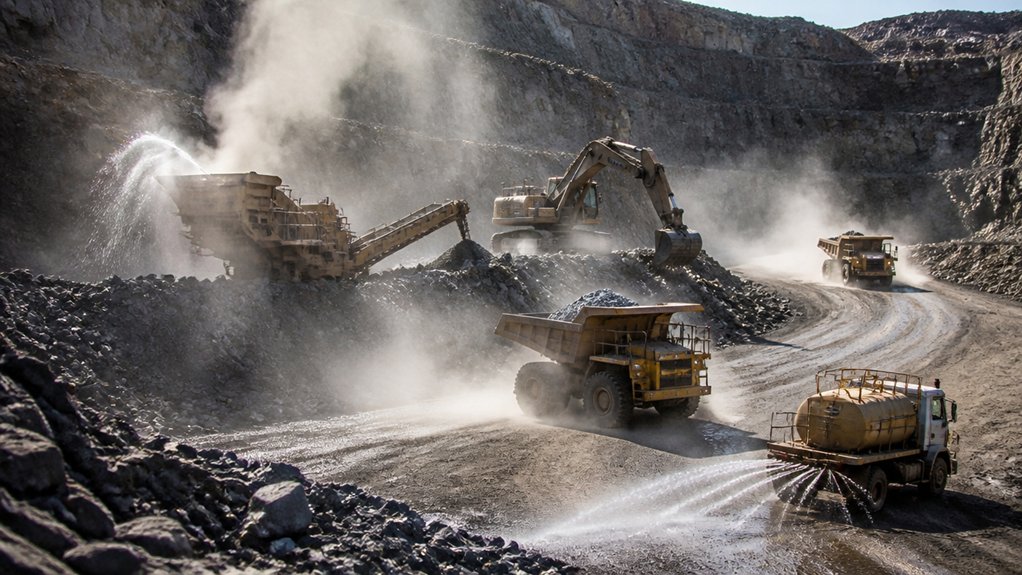
Quarry dust is generated wherever rock is drilled, blasted, crushed, screened, or moved. Start by checking these operations, along with conveyor transfer points, stockpiles, haul roads, and loading areas. Crushing and screening can release fine particles, while traffic and material handling can lift settled dust back into the air.
Particle size affects how dust behaves. Coarser particles tend to settle near the source; finer, respirable particles can stay airborne and enter workers’ lungs. A visible plume is a useful clue, but it doesn’t show the full exposure picture. Use air quality monitoring near active equipment and in worker breathing zones to identify when and where airborne dust levels rise.
Record the equipment in use, production conditions, traffic, and wind direction when you check results. Look for patterns across shifts and operating conditions, then prioritize sources that produce repeated or sustained dust.
Before inspecting equipment or transfer points, follow site procedures, isolate machinery where required, and use the appropriate personal protective equipment.
Control Dust on Roads, Stockpiles, and at Loading
To control dust on haul roads, stockpiles, and loading areas, match the method to the source. Apply water or an approved dust suppressant to roads, maintain suitable moisture in stockpiles, and reduce drop height during loading.
Schedule road watering around traffic and weather. Too much water can make roads slippery, weaken the road surface, and increase maintenance needs. Use targeted dust suppression rather than over-wetting, and check stockpile moisture as weather and operating conditions change.
During loading, position equipment to limit free-fall and avoid unnecessary material disturbance.
Include the application system in routine equipment checks. Repair leaking water lines, clear blocked spray nozzles, and inspect pumps and controls. Before maintenance or inspection, isolate the equipment and follow site lockout procedures.
Train operators to report dry areas, leaks, and unsafe conditions promptly.
Reduce Quarry Dust at Crushers and Transfer Points
At crushers and transfer points, control dust where material breaks, drops, or changes direction. Enclose crushers and chutes where practical, seal gaps, and keep transfer drops as short as the layout allows. Impact beds or rock boxes can cushion falling stone and reduce the release of fines.
Use targeted sprays at feed and discharge points, adjusting water to the material and operating conditions. Too much water can create slippery floors, blind screens, or affect product quality. If water is unsuitable, consider a properly designed dust-extraction system.
Position and balance extraction to capture dust without pulling workers toward moving equipment or into other hazardous areas.
Keep access routes clear and guards in place while the plant is running. Before inspecting or maintaining enclosures, sprays, or extraction equipment, isolate the relevant machinery and follow site lockout procedures. These controls help protect workers’ breathing zones and reduce dust escaping into the surrounding environment.
Choose, Inspect, and Adjust Quarry Dust Controls
Match dust controls to the material, task, and site conditions. Water sprays often work well at transfer points, while dry, fine material may need enclosure or local exhaust ventilation. Choose controls that contain dust without creating new hazards.
Inspect nozzles, pumps, filters, seals, and ductwork on a regular schedule. Clear blockages and repair leaks before restarting production. Follow isolation and lockout procedures before inspection or maintenance, and use the required personal protective equipment.
Check that sprays don’t create slippery surfaces, reduce visibility, or expose workers to electrical hazards. Monitor air quality and inspect dusty areas during different tasks and weather conditions.
If readings or observations show that control performance is declining, adjust the water flow, control placement, or maintenance schedule.
Conclusion
Quarry dust control takes more than one measure. Manage dust at the source across haul roads, stockpiles, loading areas, crushers, and transfer points. Match each control to the task, then check that it is working while the plant is running. Wind, moisture, traffic, and production rates can all change what’s needed.
Keep dust-control equipment maintained and adjust it when operating conditions change. Before inspecting or servicing equipment, follow site lockout procedures and use the required personal protective equipment. OSHA’s respirable crystalline silica limit is 50 micrograms per cubic meter as an 8-hour time-weighted average. Treat that limit as a legal safety threshold, not an operating target. Effective source control protects workers, improves visibility, and helps keep production running safely.