
Screen Media Selection Criteria
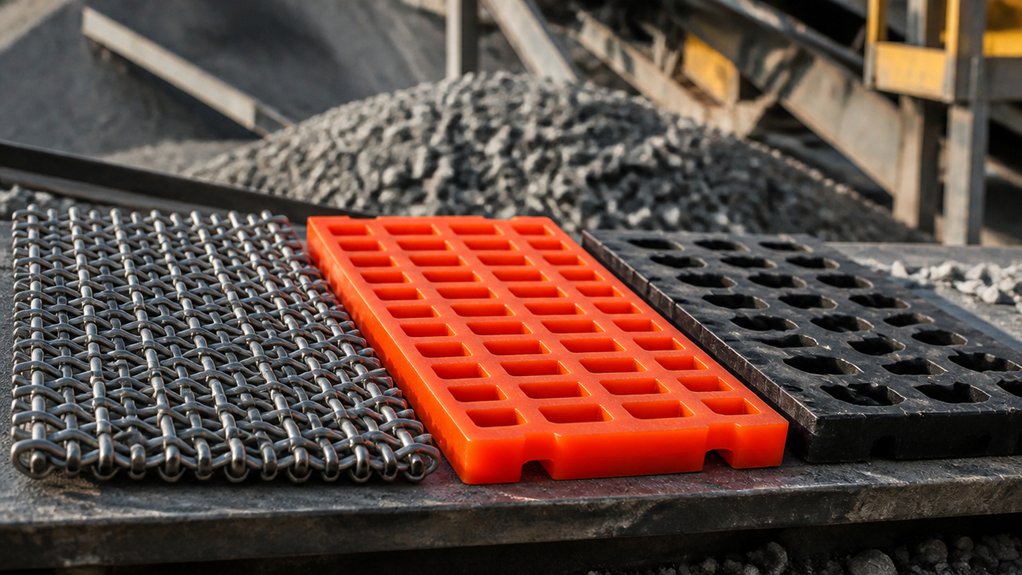
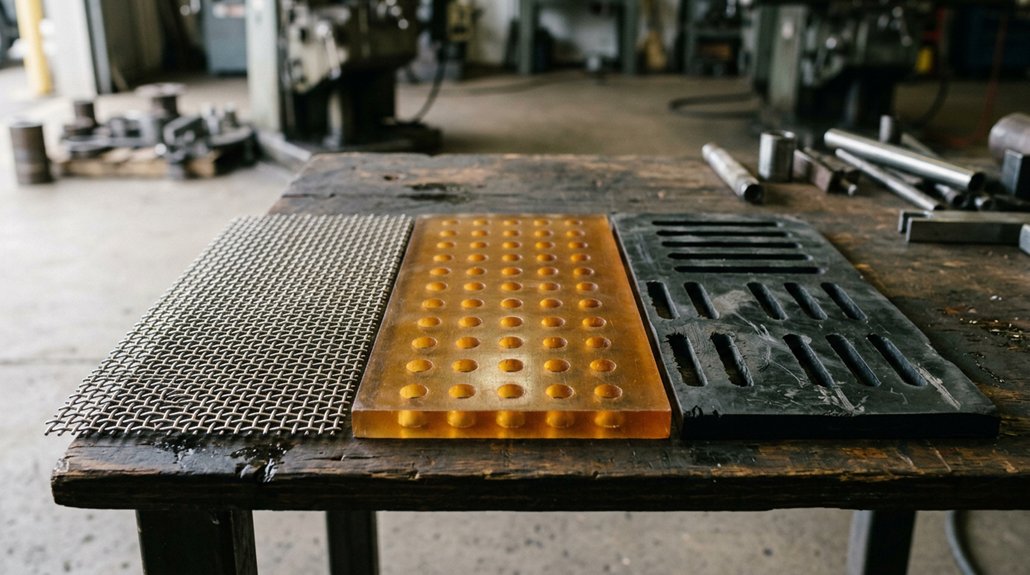
Choose screen media to suit the material, the machine, and the job. Start with feed size, abrasiveness, moisture, temperature, and the tonnage you need to handle. Then check the separation accuracy, open area, and impact resistance the application requires.
Abrasive or heavy feed can wear panels faster; lighter-duty conditions may let you prioritize other factors.
Before ordering, confirm the deck configuration, support spacing, fastening method, panel dimensions, and access for replacement. Make sure the media fits the screen and stays within the machine’s operating limits.
When inspecting or replacing panels, follow site lockout procedures and verify the equipment is isolated before work begins.
Compare purchase cost with expected maintenance, downtime, and service life. The right choice is the one that meets the separation requirement reliably without creating avoidable wear or stoppages.
Wire Mesh for Fine, Efficient Screening
Wire mesh works well for fine screening when you need a consistent cut and high open area. Choose an aperture that matches the separation you need, then check that the wire diameter and weave can handle the feed and screen motion.
A more open design can support throughput and help limit blinding with dry, free-flowing material, but wet or sticky feed may still plug the openings.
Balance aperture, wire diameter, and weave for the required separation, capacity, and panel stiffness. In operation, watch for changes in the product cut, reduced throughput, or signs of blinding; these can indicate that the mesh is wearing or the feed conditions have changed.
Inspect panels for broken wires, stretched openings, and loose tension. These defects can shift the cut and affect product quality. Before inspection or maintenance, isolate and lock out the equipment, and follow your site’s safety procedures.
Match the mesh specification to the feed size, loading, moisture, and screen motion, then review its condition as part of routine maintenance.
Polyurethane for Abrasion Resistance and Longer Wear
Polyurethane panels can extend screen life when abrasive feed wears through wire mesh too quickly. Their resilient surface handles abrasion from fines and sliding material, which can reduce changeouts and unplanned downtime. The actual benefit depends on the feed and how the panels are installed and supported.
Choose apertures and open area to suit the required cut size and throughput. Keep in mind that thicker panels can reduce screening efficiency, particularly where material needs to pass through smaller openings. Check panel compatibility with the deck, support arrangement, and operating tension before installation.
Feed size, moisture, temperature, and loading all affect wear and performance. During routine inspections, look for blinding, tears, and wear around attachment points. Follow site lockout procedures and confirm the screen is isolated before anyone works on or inspects the deck.
Longer panel life may reduce discarded media, but check recycling and end-of-life options with your supplier.
Rubber for High-Impact Screening Applications
Rubber screen media can absorb repeated impacts from large, heavy feed, helping protect the deck and limit damage in high-impact zones. Its flexibility also damps vibration, reducing transmitted shock and noise.
Consider rubber when the feed contains oversized rock, tramp material, or sharp impacts that could damage rigid panels. Check that the aperture size and panel thickness suit your throughput and separation targets. Thicker panels may reduce open area, so confirm the effect on screening capacity before changing panel design.
Check chemical compatibility with your process water and reagents, and confirm that the media is suitable for your operating temperatures.
Inspect panels regularly for tears, wear, and loose fasteners. Before inspection or replacement, follow site lockout procedures and make sure the screen is safely isolated. Replace damaged panels before their condition affects screening performance.
Conclusion
Choose screen media based on the material, required cut size, impact, and operating conditions—not just the purchase price. Wire mesh is often a good fit for fine screening and high throughput. Polyurethane can handle abrasive feed and may last longer in wear-prone applications. Rubber is useful where heavy impact and noise are concerns.
Check the feed size, moisture, and tendency to blind or peg before making a selection. Confirm panel fit and support with your supplier, then monitor screening efficiency and wear after installation. Inspect wear patterns regularly and reassess the media when feed conditions change. Before inspection or maintenance, isolate and lock out the screen, and follow your site’s safety procedures. A well-matched selection can help protect throughput and keep maintenance manageable.