
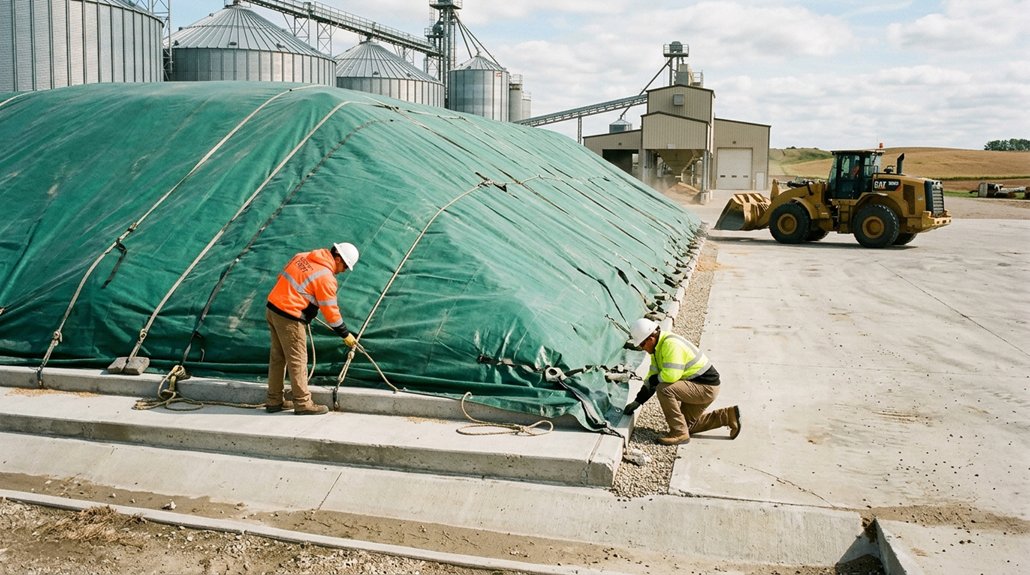
Choose a Clean, Dry Stockpile Location
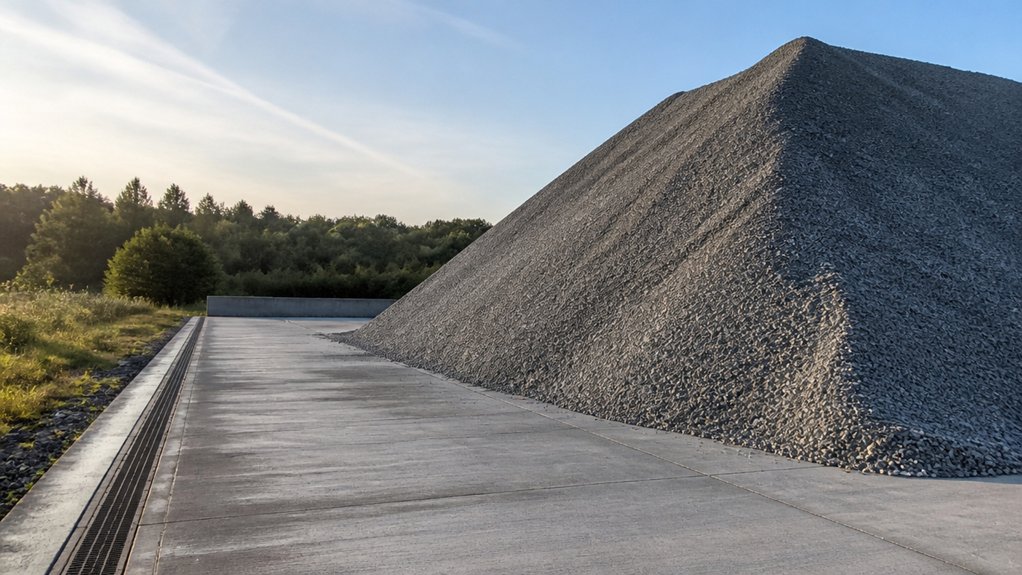
Choose a clean, dry stockpile location.
Select firm, level ground away from drains, standing water, and contamination sources. Confirm the ground can carry the stockpile’s weight without settling, and make sure the pile won’t block vehicle routes or equipment access.
Check local conditions before settling on a location. Prevailing winds can carry dust toward work areas, while rainfall, temperature changes, and seasonal flooding can affect the ground and pile.
Position the stockpile to limit runoff exposure and keep dust away from workers, roads, and nearby operations.
Keep the pile clear of traffic routes, heat sources, and overhead hazards. Consider how the location may affect soil, vegetation, and waterways, and confirm it meets local site requirements.
Record the selected location and inspection findings.
Before inspecting the area, follow site safety procedures and watch for moving equipment, unstable ground, and overhead hazards.
Block Moisture, Pests, and Cross-Contamination
Cover stockpiles with a secure, weather-resistant barrier, and keep them separated from chemicals, waste, and other materials that could cause contamination. Anchor covers so wind can’t lift them. Inspect covers, seams, containers, and pallets for damage, leaks, and signs of pest entry.
Wear suitable PPE and follow site isolation procedures before inspecting or handling contaminated stock.
Seal opened bags and replace damaged packaging promptly. Store materials off the ground, with enough drainage to prevent water from collecting beneath the pile. Use temperature control appropriate to the product, and watch for condensation or heat buildup.
Where permitted, use suitable traps or barriers to control pests. Clean up spills promptly and record inspection findings.
Rotate Stock to Reduce Product Loss
After protecting stock from moisture and contamination, rotate it by date so older, usable material is issued first. Follow first-in, first-out (FIFO) procedures without losing lot identity or traceability. Mark each delivery with its receipt date, batch number, and applicable expiration or retest date.
Store newer material behind older stock, and keep access routes clear so crews can retrieve the correct lot without unsafe lifting or unnecessary handling.
Set review intervals based on shelf life, and prioritize materials approaching their expiration or retest dates. Follow the manufacturer’s storage requirements, and record issues, transfers, and disposition decisions. Never release expired or unverified stock for use.
When checking stock or access routes, use safe lifting practices and keep clear of moving equipment. Stop work and correct any unsafe access or handling conditions before moving material.
Inspect Stockpiles for Early Warning Signs
Inspect stockpiles routinely for early signs of damage, contamination, or instability. Check for discoloration, unusual odors, crusting, moisture, pests, and foreign material. Look for cracks, slumping, erosion, or bulging, which may indicate movement or a developing failure.
Use calibrated temperature and moisture instruments to check for hidden hot spots or wet zones. Verify sensor calibration according to the manufacturer’s instructions before each inspection. Also check for nearby contamination sources, such as leaking equipment, runoff, dust, or incompatible materials.
Wear the required protective equipment, use safe access routes, and stay clear of unstable stockpile faces. Record the location and condition of anything unusual, then report hazards through your site’s established safety procedures. Don’t disturb suspect material.
Safety reminder: if a stockpile appears unstable, keep people and equipment away and follow your site’s emergency procedures.
Track Stockpile Levels and Correct Problems
Track stockpile levels on a consistent schedule so you can spot shortages, excess inventory, and changes that may point to a handling or safety problem. Use a method suited to the material and site, such as a calibrated scale, volume survey, or level sensor. Keep the method consistent so readings can be compared over time.
Check stockpile measurements against receiving, production, and dispatch records. If the figures don’t line up, investigate promptly. Look for spillage, moisture changes, equipment faults, or unauthorized access, and correct the records once you have confirmed the cause.
When inspecting the pile or equipment, follow site procedures and keep clear of unstable faces, moving machinery, and restricted areas.
Use accurate stock levels to adjust ordering and stock rotation, and avoid building piles beyond safe capacity. If you find instability, contamination, or an unsafe buildup, restrict access, notify the responsible personnel, and correct the cause before normal handling resumes.
Conclusion
Protect stockpiled material by keeping it in a clean, dry area and controlling water, pests, and contamination from other products. Set up drainage so runoff does not reach the pile, and keep equipment and traffic routes from carrying mud or debris into the stockpile. Rotate material by age, keep inventory records current, and check for changes in appearance, damage, or unusual odors. Before inspecting or handling stock, follow site procedures and wear the required protective equipment. These routine checks help catch problems early, limit product loss, and keep material fit for use.